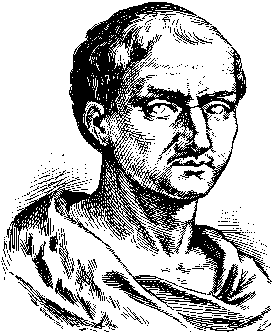
Boethius
Anicius Manlius Severinus Boethius
'Last of the Romans, first of the Scholastics' — wrote philosophy's great prison book.
Overview
A Roman Christian senator and philosopher, Boethius set out to translate all of Plato and Aristotle into Latin and reconcile them. Though he completed only part, he transmitted Aristotelian logic to the Latin Middle Ages and wrote key theological tractates. Imprisoned and executed on a charge of treason by the Ostrogothic king Theodoric, he composed in prison The Consolation of Philosophy — a dialogue with Lady Philosophy on fortune, happiness, evil, providence, and free will that became one of the most influential books of the medieval world.
What they supported — and why
True happiness is the Good itself, not fortune's gifts
SupportedWealth, power, and fame are false goods; the highest good — complete and self-sufficient — is God.
WhyFortune is fickle and its gifts never satisfy fully; only the perfect, unchanging Good can make happiness complete.
Providence and free will are compatible
SupportedGod's timeless knowledge of all events does not remove human freedom.
WhyGod sees all things in an eternal present, not as foreknowledge that predetermines them, so freely chosen acts remain free.
Transmit and reconcile Plato and Aristotle
SupportedPreserve and harmonize ancient logic and philosophy for the Latin world.
WhyThe Greek heritage was in danger of being lost, and securing it would keep wisdom alive for the future.
Causes championed
- Consolation through philosophy
- The reconciliation of faith and reason
- Preserving ancient logic for the West
Issues wrestled with
- What is true happiness?
- Why do the wicked prosper and the good suffer?
- Are we free if God knows all things?
Hurdles faced
- A false accusation of treason
- Imprisonment and execution
- Writing his masterpiece while awaiting death
Works & books
3 catalogued. Status shows how much survives to today.
The Consolation of Philosophy
SurvivesA prison dialogue with Lady Philosophy on fortune, the highest good, providence, and freedom — a medieval classic.
Translations of and commentaries on Aristotle's logic
PartialRenderings of the Organon (and Porphyry's Isagoge) that carried logic into the Latin Middle Ages.
Theological Tractates (incl. On the Trinity)
SurvivesShort works applying logical method to Christian doctrine.
Read the texts free
3 of Boethius’s works are free to read in full — public-domain English editions on Project Gutenberg, matched from Gutenberg’s own catalogue.
Every edition online — Open Library catalogues 414 works & editions, 46 of them free to read in full.
The influence network
See Boethius in the map →In their words
“Nothing is miserable unless you think it so; and on the other hand, nothing brings happiness unless you are content with it.”
— The Consolation of Philosophy
Legacy
The great bridge from antiquity to the Middle Ages: his Consolation and his logical translations shaped a thousand years of Western thought.
Follow their questions
This thinker is a stop on these paths through philosophy.
Further reading
Cross-checked against these authoritative references.