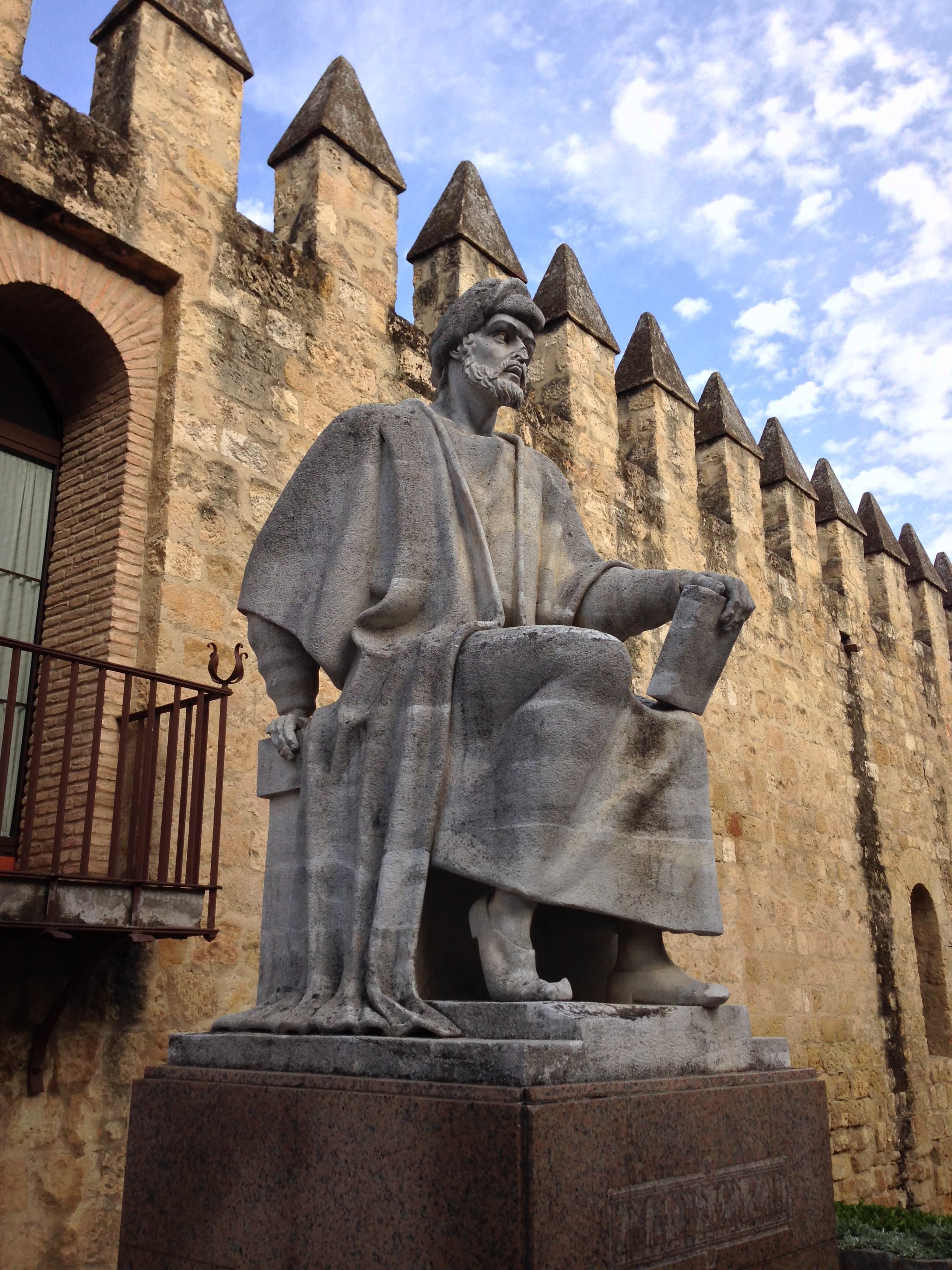
Averroes
Ibn Rushd (Abū al-Walīd Muḥammad ibn Rushd)
'The Commentator' on Aristotle who defended philosophy against al-Ghazālī.
Overview
The greatest Aristotelian of the Islamic world, the Andalusian jurist, physician, and philosopher Ibn Rushd (Averroes) wrote such thorough commentaries on Aristotle that the Latins simply called him 'the Commentator'. In The Incoherence of the Incoherence he answered al-Ghazālī, defending the philosophers and the harmony of philosophy and religion as two paths to one truth. His works, translated into Latin and Hebrew, shaped Europe even more than the Islamic world, sparking 'Latin Averroism'.
What they supported — and why
The harmony of philosophy and religion
SupportedPhilosophy and scripture are two roads to the same truth: scripture's outer sense is for the many, its inner meaning for the philosophers.
WhyGod gave both reason and revelation, so they cannot truly conflict; where they seem to, scripture must be read allegorically.
Defense of Aristotle against al-Ghazālī
SupportedThe philosophers' key doctrines are defensible, and al-Ghazālī's attacks fail.
WhyRigorous Aristotelian demonstration, properly understood, withstands the theologians' objections.
The unity of the intellect
SupportedThe material intellect by which all humans think is one and separate, shared by all.
WhyHis reading of Aristotle's De Anima concludes the immaterial intellect cannot be individuated by bodies — a doctrine the Latins seized on and disputed.
Causes championed
- The defense of philosophy
- The harmony of reason and revelation
- Faithful Aristotelianism
Issues wrestled with
- Do philosophy and religion conflict?
- Was al-Ghazālī right against the philosophers?
- Is the intellect one or many?
Hurdles faced
- Late in life, philosophy fell from favor
- Briefly banished, with his books burned, before his rehabilitation
Works & books
3 catalogued. Status shows how much survives to today.
The Incoherence of the Incoherence
SurvivesHis point-by-point reply to al-Ghazālī defending the philosophers.
The Long, Middle, and Short Commentaries on Aristotle
SurvivesThe commentaries that earned him the title 'the Commentator'.
The Decisive Treatise
SurvivesOn the harmony of philosophy and religious law.
Read the texts free
1 of Averroes’s works are free to read in full — public-domain English editions on Project Gutenberg, matched from Gutenberg’s own catalogue.
Every edition online — Open Library catalogues 419 works & editions, 9 of them free to read in full.
The influence network
See Averroes in the map →Influenced
In their words
“Truth does not oppose truth but accords with it and bears witness to it.”
— The Decisive Treatise
Legacy
'The Commentator' who preserved and defended Aristotle, he shaped medieval Europe's philosophy even more deeply than the Islamic world's.
Further reading
Cross-checked against these authoritative references.