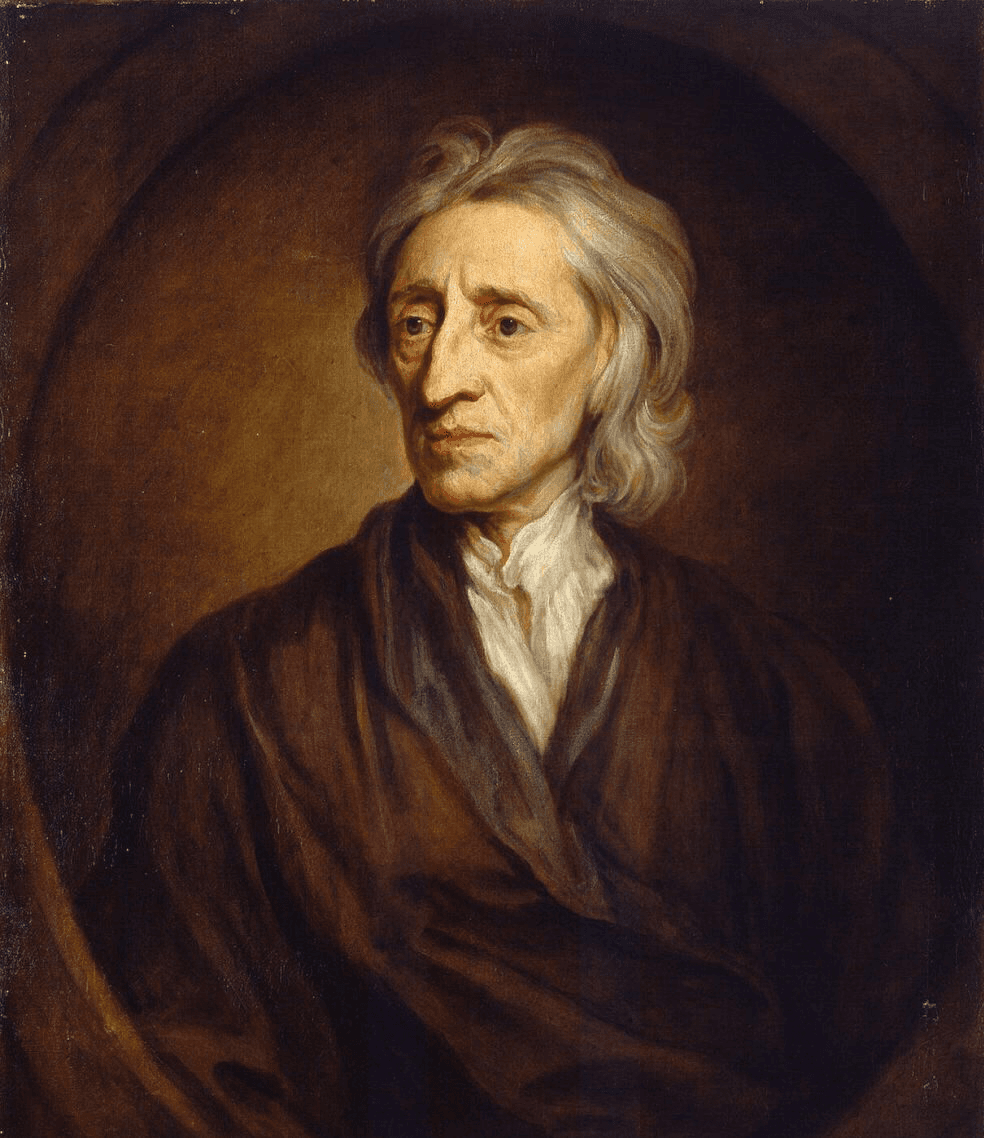
John Locke
Father of empiricism and liberalism — the mind a blank slate, government by consent.
Overview
An English physician and philosopher, Locke founded modern empiricism and liberal political thought. In the Essay Concerning Human Understanding he argued that the mind at birth is a 'blank slate' (tabula rasa) and that all knowledge comes from experience — sensation and reflection — not innate ideas. In the Two Treatises of Government he grounded political authority in natural rights and the consent of the governed, with a right of revolution against tyranny. His ideas shaped the Enlightenment and the American and French revolutions.
What they supported — and why
No innate ideas; the mind is a blank slate
SupportedThe mind begins empty; all our ideas and knowledge derive from experience — the sensation of external things and reflection on our own minds.
WhyThere are no universally agreed 'innate' principles, and everything in the mind can be traced to experience, so experience must be the source of knowledge.
Natural rights and government by consent
SupportedPeople have natural rights to life, liberty, and property; legitimate government arises from their consent to protect these rights.
WhyIn the state of nature all are free and equal under natural law, so authority can only rightly come from the agreement of the governed.
The right of revolution and toleration
SupportedA government that violates its trust may rightfully be resisted, and the state should tolerate differing religious beliefs.
WhySince government exists to protect rights, forfeiting that purpose forfeits authority; and belief cannot be coerced, so toleration is both just and prudent.
Causes championed
- Knowledge grounded in experience
- Natural rights and consent
- Religious toleration
- Limited, accountable government
Issues wrestled with
- Where does knowledge come from?
- What is the source of political authority?
- What are the limits of the state?
Hurdles faced
- Political danger under the Stuarts; exile in Holland for a time
- Association with plots against the crown
Works & books
3 catalogued. Status shows how much survives to today.
An Essay Concerning Human Understanding
SurvivesThe founding text of empiricism — the blank slate and the origin of ideas in experience.
Two Treatises of Government
SurvivesHis theory of natural rights, consent, and the right of revolution.
A Letter Concerning Toleration
SurvivesA landmark argument for religious toleration.
Read the texts free
3 of John Locke’s works are free to read in full — public-domain English editions on Project Gutenberg, matched from Gutenberg’s own catalogue.
Every edition online — Open Library catalogues 864 works & editions, 99 of them free to read in full.
The influence network
See John Locke in the map →In their words
“The mind is, as we say, white paper, void of all characters, without any ideas.”
— Essay Concerning Human Understanding
Legacy
He founded empiricism and liberalism; his natural-rights theory and defense of consent shaped modern democracy and human rights.
Follow their questions
This thinker is a stop on these paths through philosophy.
Further reading
Cross-checked against these authoritative references.