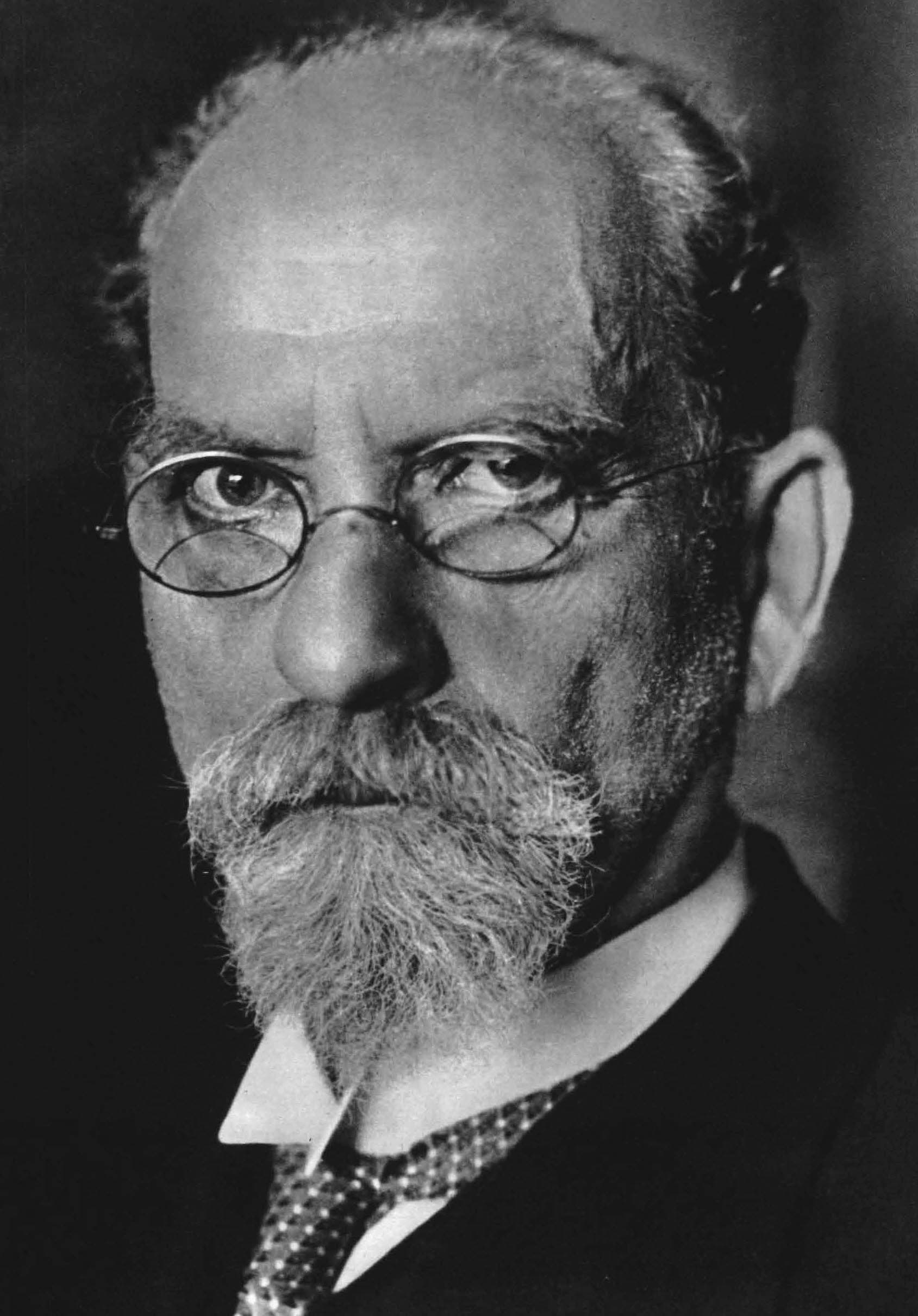
Edmund Husserl
Founder of phenomenology — 'to the things themselves', and the structures of consciousness.
Overview
The founder of phenomenology, Husserl sought to make philosophy a rigorous science by describing the structures of consciousness and experience exactly as they present themselves. Setting aside assumptions about the external world (the epoché, or 'bracketing'), he analyzed the intentionality of consciousness — that it is always consciousness of something. His method reshaped continental philosophy and directly launched Heidegger, Sartre, and Merleau-Ponty.
What they supported — and why
Intentionality
SupportedConsciousness is always consciousness of something; every mental act is directed toward an object.
WhyDescribing this directedness is the key to understanding experience, meaning, and knowledge from the inside.
The phenomenological reduction (epoché)
SupportedBracket the 'natural attitude' — our assumptions about whether things really exist — to describe pure experience as it appears.
WhyBy suspending judgement about external reality, we can study the structures of consciousness with rigor, free of unexamined presuppositions.
'To the things themselves'
SupportedPhilosophy should return to careful description of the phenomena as given, rather than build speculative theories.
WhyA truly rigorous philosophy must be grounded in what actually shows itself in experience, not in inherited constructions.
Causes championed
- Philosophy as rigorous science
- Faithful description of experience
- A foundation for knowledge in consciousness
Issues wrestled with
- What are the structures of consciousness?
- How is objective knowledge grounded in experience?
- How should philosophy proceed?
Hurdles faced
- Barred and isolated under the Nazis for his Jewish origins in his final years
- The difficulty and constant revision of his method
Works & books
2 catalogued. Status shows how much survives to today.
Logical Investigations
SurvivesThe breakthrough work founding phenomenology.
Ideas; Cartesian Meditations
SurvivesHis mature transcendental phenomenology.
Read the texts free
Their works online — Open Library catalogues 504 works & editions, 4 of them free to read in full.
The influence network
See Edmund Husserl in the map →In their words
“We must go back to the things themselves.”
— Logical Investigations
Legacy
He founded phenomenology, one of the great movements of modern philosophy, and gave continental thought its method of describing lived experience.
Follow their questions
This thinker is a stop on these paths through philosophy.
Further reading
Cross-checked against these authoritative references.