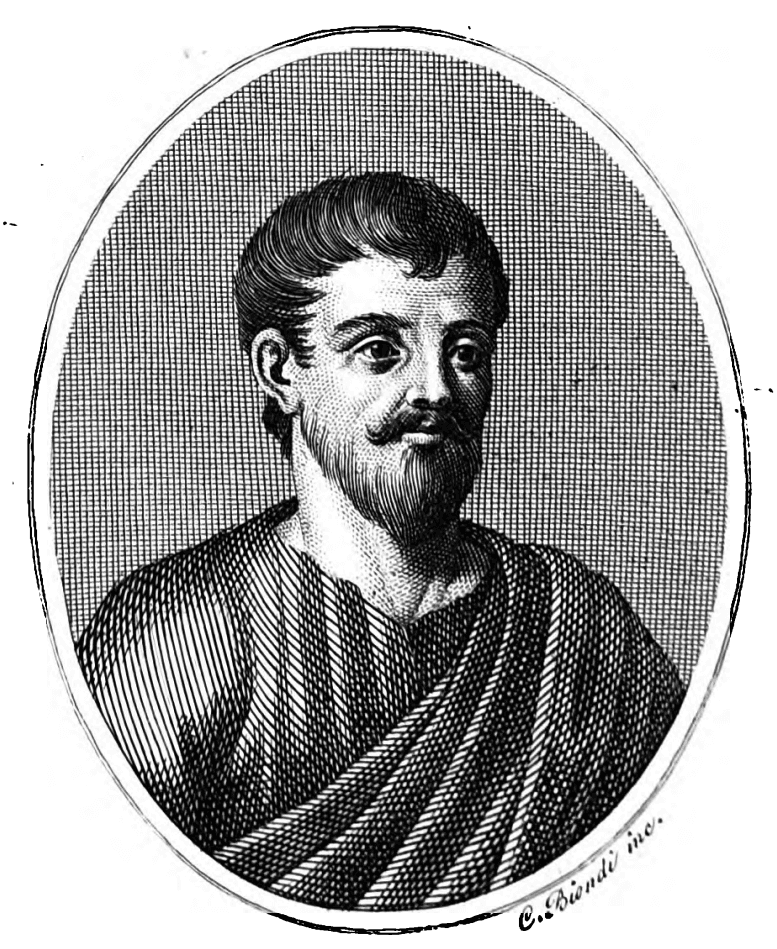
Gorgias
Master rhetorician who argued that nothing exists — and if it did, we couldn't know it.
Overview
Gorgias was a celebrated orator and teacher who dazzled Greece with the power of persuasive speech. In his provocative treatise On Non-Being he parodied Eleatic reasoning to reach three nihilistic theses: nothing exists; even if it did, it could not be known; even if known, it could not be communicated. Whether meant as serious skepticism or a rhetorical tour de force, it showcased his central claim: speech (logos) is a 'powerful lord' that shapes belief regardless of truth. He lived to about 108.
What they supported — and why
The three theses of On Non-Being
Supported(1) Nothing exists; (2) if anything exists it cannot be known; (3) if known, it cannot be communicated to another.
WhyBy turning Parmenidean logic against itself, he shows that reasoning about 'being' collapses — clearing the field for rhetoric over metaphysics.
The power of logos
SupportedPersuasive speech can produce belief, emotion, and action independent of truth.
WhyIf certain knowledge is unattainable, then the art that moves people — rhetoric — becomes the decisive human skill.
Causes championed
- The art of persuasion
- Skepticism toward metaphysical certainty
Issues wrestled with
- Can we know or communicate reality?
- What is the power and responsibility of speech?
Hurdles faced
- Being taken as a mere trickster rather than a serious thinker
- The self-undermining nature of arguing that nothing can be communicated
Works & books
3 catalogued. Status shows how much survives to today.
On Non-Being (On Nature)
Fragments onlyThe three-thesis anti-Eleatic argument; preserved in summaries by Sextus Empiricus and the pseudo-Aristotelian MXG.
Encomium of Helen
SurvivesA rhetorical showpiece defending Helen of Troy by analyzing the power of speech, love, and force over the will.
Defense of Palamedes
SurvivesA model courtroom speech demonstrating argumentative technique.
Read the texts free
Their works online — Open Library catalogues 12 works & editions.
The influence network
See Gorgias in the map →Influenced by
Influenced
In their words
“Speech is a powerful lord, which by means of the finest and most invisible body effects the divinest works.”
— Encomium of Helen
Legacy
He established rhetoric as an art and a philosophical problem, forcing Plato and Aristotle to define the relationship between persuasion, truth, and virtue.
Further reading
Cross-checked against these authoritative references.