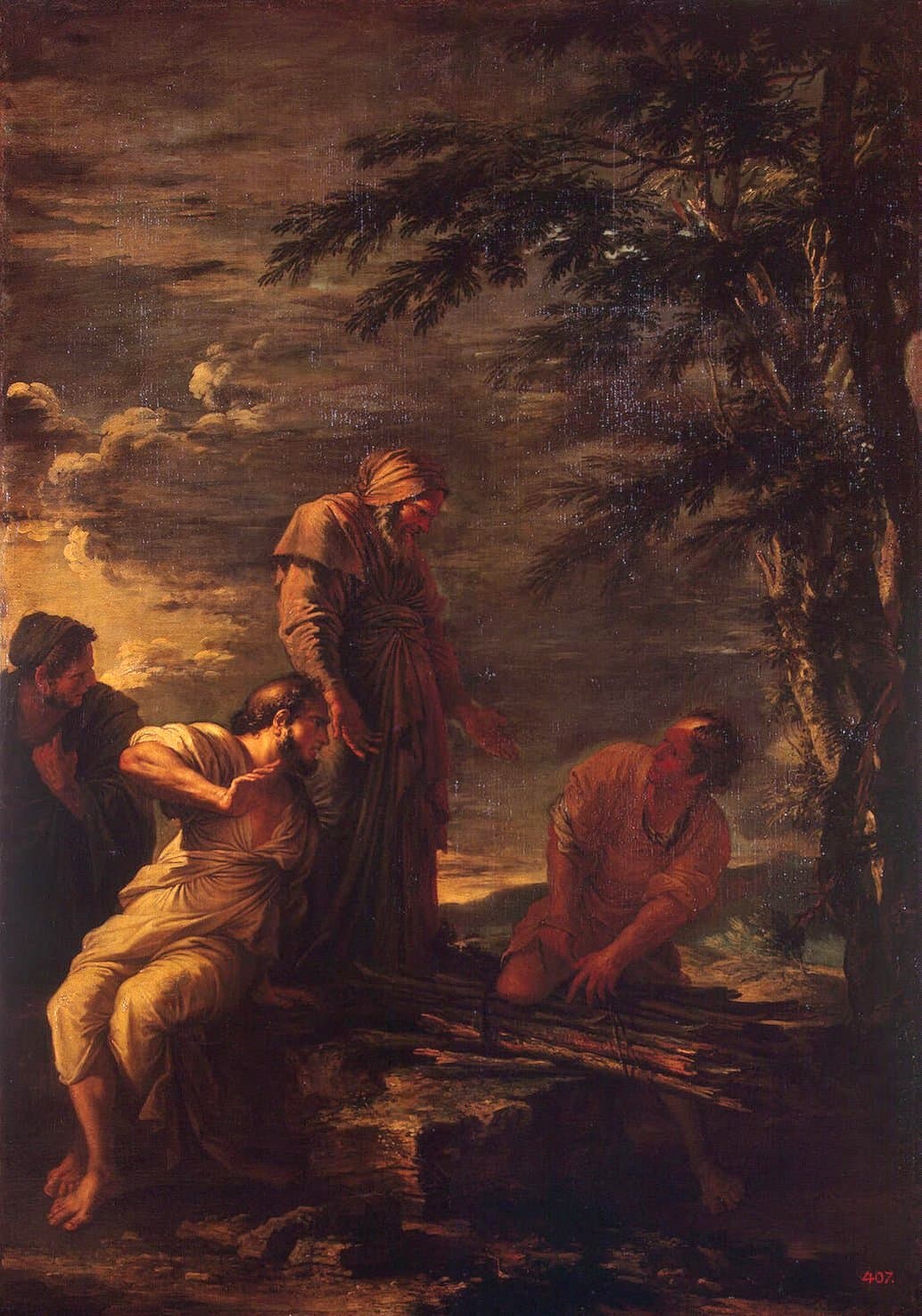
Protagoras
'Man is the measure of all things' — the first great relativist.
Overview
The most famous Sophist, Protagoras was a professional teacher who traveled the Greek world instructing the wealthy in virtue (aretē), rhetoric, and effective citizenship. His dictum 'man is the measure of all things' made him the founder of relativism: truth is relative to the perceiver. He was an agnostic about the gods and argued that on every matter there are two opposing accounts. He drafted laws for the Athenian colony of Thurii. His works were reportedly burned in Athens for impiety.
What they supported — and why
Man is the measure
SupportedEach person's perceptions and judgments are true for them; there is no perceiver-independent truth.
WhyThe wind that feels cold to one and warm to another simply is cold-for-one and warm-for-the-other — appearances are the reality for each.
Two accounts on every matter
SupportedFor any question, opposing arguments can be made; the 'weaker' can be made 'stronger'.
WhyIf truth is relative, argument and persuasion, not proof of one absolute truth, are what matter in human affairs.
Agnosticism about the gods
SupportedOne cannot know whether gods exist or what they are like.
WhyThe subject is obscure and human life is short — knowledge here is beyond reach.
Causes championed
- Teaching civic virtue and rhetoric
- Human convention and law (nomos) as the basis of society
Issues wrestled with
- Is there objective truth?
- Can virtue be taught?
- What grounds law and morality if not nature?
Hurdles faced
- Charged with impiety; his books reportedly burned
- The self-refutation charge: is 'all is relative' itself only relatively true?
Works & books
2 catalogued. Status shows how much survives to today.
Truth (or Refutations)
Fragments onlyContained the 'man is the measure' doctrine; known through Plato's Theaetetus and other reports.
On the Gods
Fragments onlyOpened with his agnostic statement; reportedly the cause of his prosecution.
Read the texts free
Their works online — Open Library catalogues 4 works & editions.
The influence network
See Protagoras in the map →Influenced by
Influenced
In their words
“Man is the measure of all things: of the things that are, that they are; of the things that are not, that they are not.”
— Truth, via Plato
“Concerning the gods, I cannot know whether they exist or not.”
— On the Gods
Legacy
He put human beings, convention, and perspective at the center of philosophy, making him the ancestor of relativism, humanism, and rhetoric.
Further reading
Cross-checked against these authoritative references.