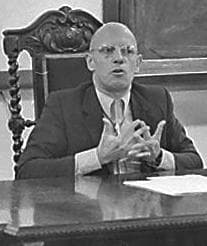
Michel Foucault
Analyst of power and knowledge — how discipline, discourse, and norms make the subject.
Overview
A French philosopher and historian of ideas whose studies of madness, medicine, punishment, and sexuality reshaped the humanities. Foucault examined how systems of knowledge and power together produce what a society counts as truth, normal, and sane — and how they shape individuals into 'subjects'. Rejecting the idea of a timeless human nature, he traced how our categories and our very selves are historically constructed through 'discourses' and disciplinary practices.
What they supported — and why
Power/knowledge
SupportedPower and knowledge are inseparable: forms of knowledge produce and are produced by relations of power, defining what counts as truth in a given era.
WhyKnowledge is never neutral; institutions like medicine, psychiatry, and criminology both study and govern people, so understanding truth requires analyzing power.
Discipline and the making of the modern subject
SupportedModern power works less by force than by discipline — surveillance, examination, and normalization (as in the prison, clinic, and school) — that shapes docile, self-monitoring individuals.
WhyThe rise of institutions that observe and correct behavior shows power operating productively, forming subjects rather than merely repressing them.
The historical construction of the subject
SupportedThere is no fixed human essence; categories like madness, sexuality, and the 'self' are constructed differently in different historical 'discourses'.
WhyGenealogical study reveals that what we take as natural and universal is contingent and historical — which means it can be questioned and changed.
Causes championed
- Exposing the workings of power
- Questioning 'natural' categories and norms
- Freedom through critique of the given
Issues wrestled with
- How are truth and power related?
- How does modern power shape us?
- Is there a fixed human nature?
Hurdles faced
- Charges of relativism and of leaving no ground for resistance
- Compressing vast histories into provocative, contested theses
Works & books
2 catalogued. Status shows how much survives to today.
Discipline and Punish
SurvivesHis history of the prison and of disciplinary power.
The History of Sexuality; Madness and Civilization
SurvivesHis analyses of sexuality, power, and the construction of madness.
Read the texts free
Their works online — Open Library catalogues 626 works & editions.
The influence network
See Michel Foucault in the map →In their words
“Where there is power, there is resistance.”
— The History of Sexuality
Legacy
Among the most cited thinkers in the humanities, his analyses of power, knowledge, and the subject transformed how we study society and ourselves.
Follow their questions
This thinker is a stop on these paths through philosophy.
Further reading
Cross-checked against these authoritative references.