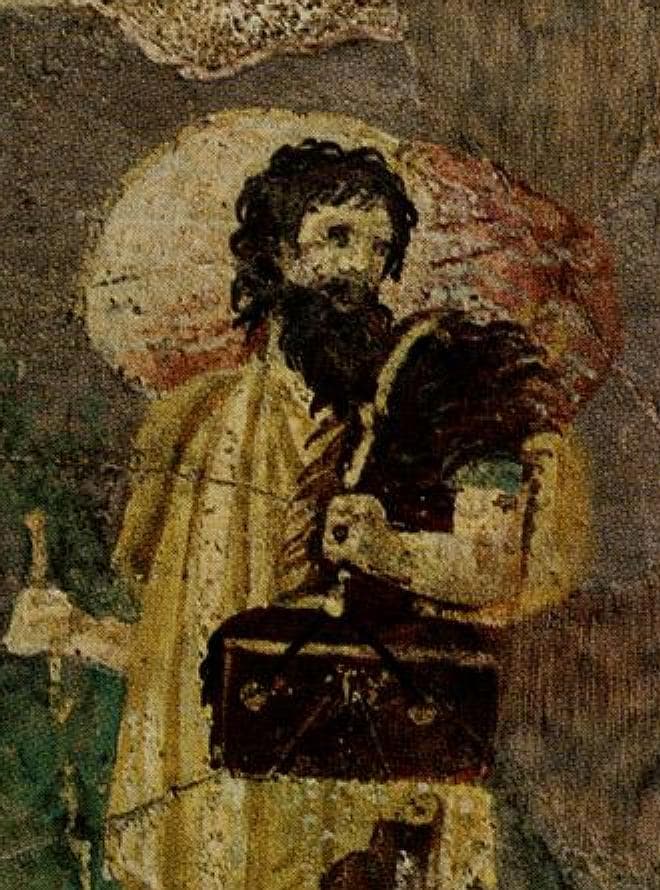
Crates of Thebes
The gentle Cynic who gave away a fortune — and taught Zeno the Stoic.
Overview
A wealthy Theban who renounced his riches to live as a Cynic, Crates became the movement's most beloved figure — genial and humane where Diogenes was fierce. He and his wife Hipparchia lived the Cynic life openly as equals. As the teacher of Zeno of Citium, Crates is the crucial link between Cynicism and Stoicism, remembered for his humor, kindness, and role as a peacemaker in troubled households.
What they supported — and why
Voluntary poverty and freedom
SupportedGive up wealth and status to gain self-sufficiency and freedom.
WhyPossessions bring anxiety and dependence; needing little makes one genuinely free and untroubled.
Cynicism lived cheerfully
SupportedPractice virtue and simplicity with good humor rather than harsh contempt.
WhyVirtue and self-sufficiency are better commended to others by kindness than by scorn.
Causes championed
- Voluntary simplicity
- Self-sufficiency
- Philosophy lived with good humor
Issues wrestled with
- What does happiness truly require?
- How should the philosopher relate to society?
Hurdles faced
- Renouncing great wealth
- Enduring the social scandal of the public Cynic life
Works & books
1 catalogued. Status shows how much survives to today.
Letters and parodic poems
Fragments onlyPlayful verses and letters teaching Cynic ethics; survive as fragments and attributions.
The influence network
See Crates of Thebes in the map →Influenced by
Influenced
In their words
“My homeland has no single tower, no single roof; the whole earth is my city and my home.”
— attributed via Diogenes Laërtius
Legacy
He humanized Cynicism and, as Zeno's teacher, carried its ethics directly into the founding of Stoicism.
Further reading
Cross-checked against these authoritative references.