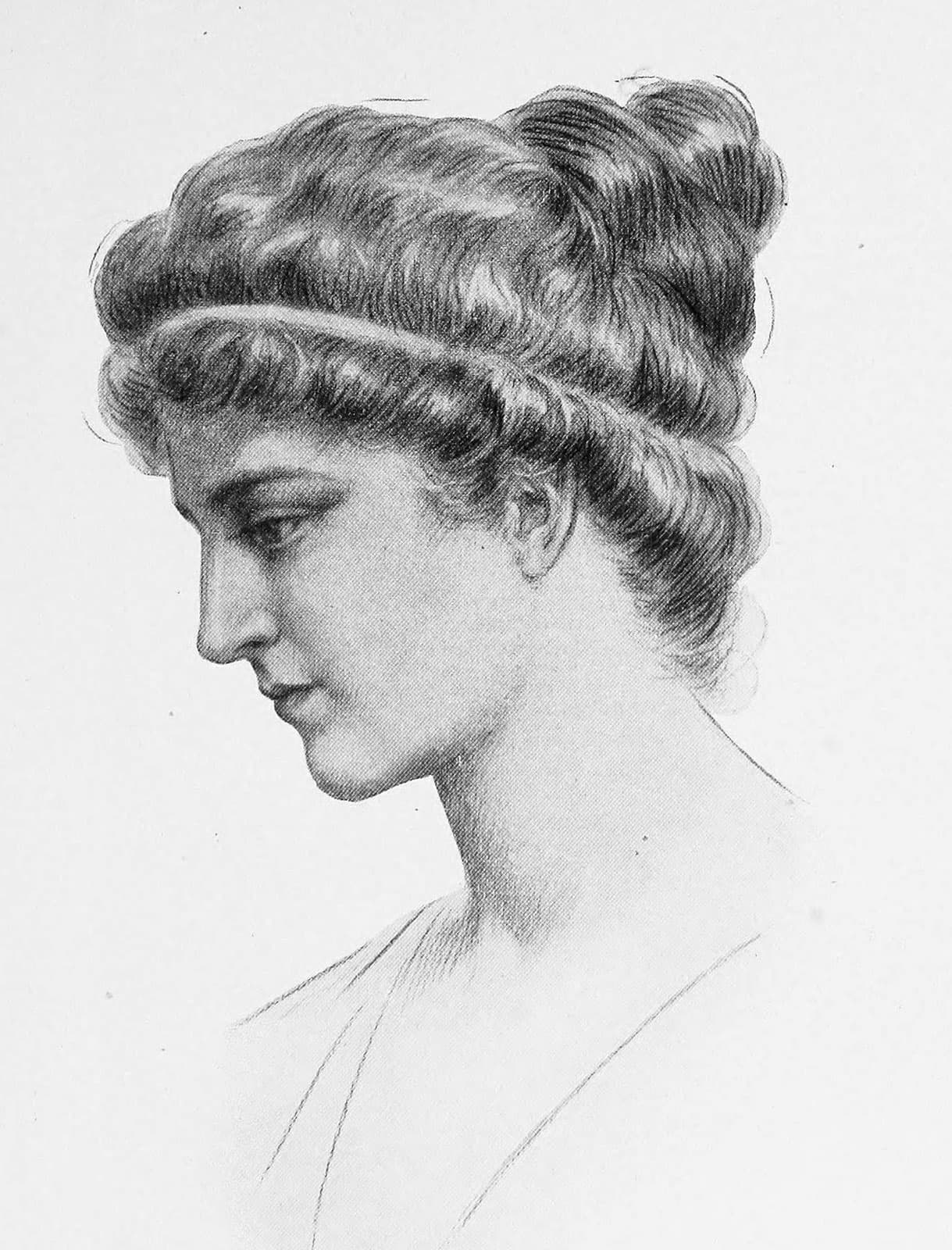
Hypatia of Alexandria
Mathematician and Neoplatonist teacher of Alexandria, murdered by a mob.
Overview
A renowned mathematician, astronomer, and Neoplatonist philosopher, Hypatia led the Platonist school of Alexandria. She taught mathematics and philosophy to pagan and Christian students alike, edited and commented on major mathematical works, and was widely esteemed for her wisdom and civic virtue. Caught in a violent political and religious conflict, she was murdered by a Christian mob in 415 — an event long remembered as emblematic of the clash between learning and fanaticism.
What they supported — and why
Neoplatonic ascent through mathematics
SupportedThe soul rises toward the divine One through the study of mathematics and philosophy.
WhyMathematics disciplines the mind and lifts it from the sensible world toward eternal, intelligible realities — a Platonic ladder.
Reasoned tolerance
SupportedTruth should be taught to all, above sectarian division.
WhyPhilosophy seeks universal truth, so students of any creed may pursue it together.
Causes championed
- Mathematics and astronomy
- The life of the mind
- Civic virtue
- Teaching across religious lines
Issues wrestled with
- How does the soul ascend to the divine?
- How should reason relate to a rising new religion?
Hurdles faced
- Leading intellectual life as a woman in a turbulent age
- Killed in sectarian violence at the height of her fame
Works & books
1 catalogued. Status shows how much survives to today.
Commentaries (on Diophantus, Apollonius, Ptolemy)
LostHer mathematical commentaries are lost; her teaching is attested by the letters of her pupil Synesius of Cyrene.
The influence network
See Hypatia of Alexandria in the map →In their words
“Reserve your right to think, for even to think wrongly is better than not to think at all.”
— attributed
Legacy
Remembered as one of antiquity's great women of learning, she became — from the Enlightenment onward — a symbol of reason and science against fanaticism.
Further reading
Cross-checked against these authoritative references.