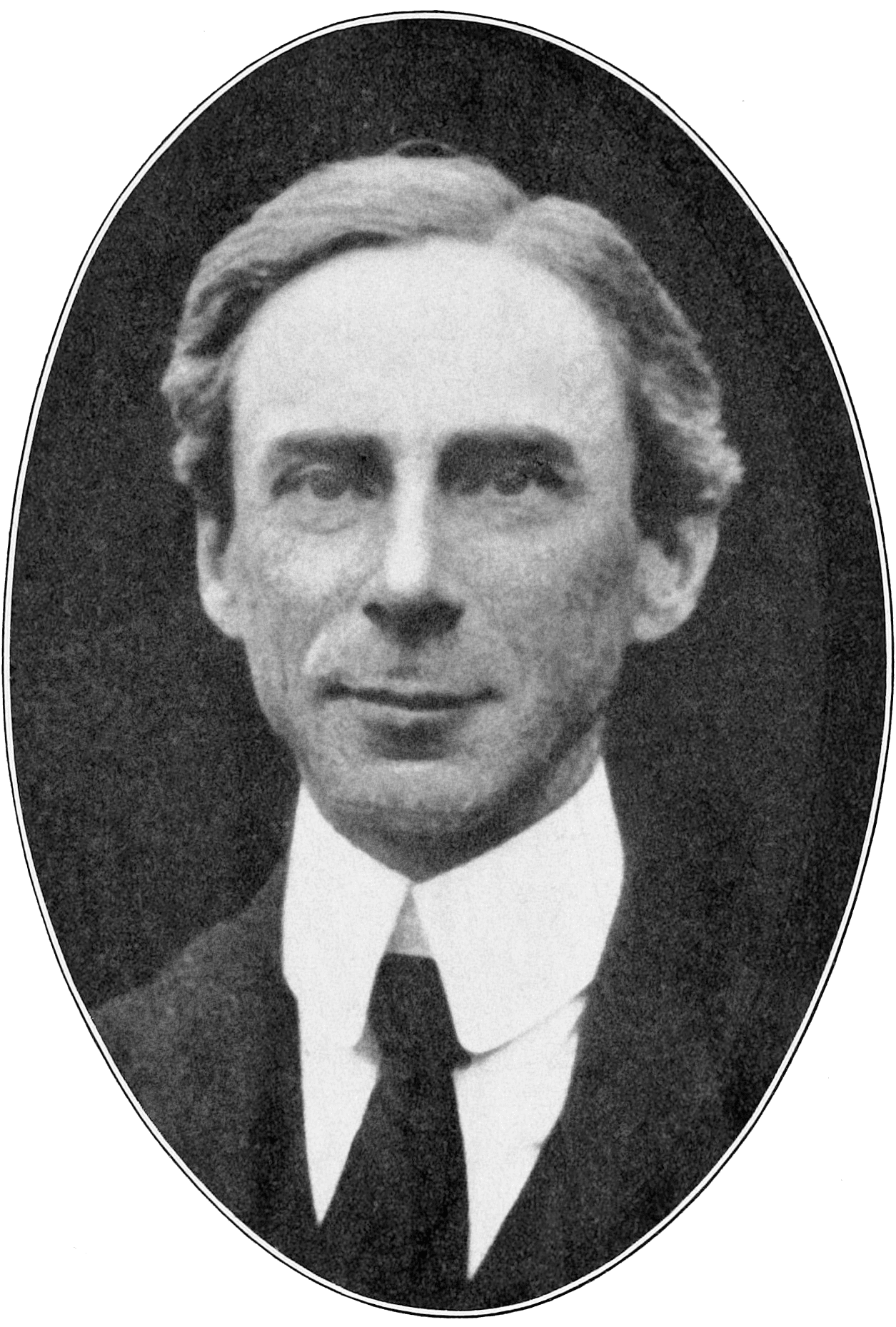
Bertrand Russell
Logician, analytic pioneer, and public conscience — logic, language, and reason against dogma.
Overview
A founder of analytic philosophy, Russell used the new logic to clarify the foundations of mathematics and the structure of language and reality. With Whitehead he attempted to derive mathematics from logic in Principia Mathematica; his theory of descriptions became a model of analytic method. A tireless public intellectual, essayist, and campaigner for peace and free thought, he won the Nobel Prize in Literature and shaped philosophy far into the 20th century.
What they supported — and why
Logicism and logical analysis
SupportedMathematics can be founded on logic, and philosophical problems are best solved by analyzing the underlying logical form of statements.
WhyOrdinary language misleads; revealing the true logical structure beneath our sentences dissolves confusion and secures rigor.
The theory of descriptions
SupportedSentences using phrases like 'the present King of France' are analyzed so they can be meaningful and false without committing us to non-existent objects.
WhyCareful logical analysis shows such phrases are not names but quantified claims, resolving old puzzles about meaning and existence.
Logical atomism and scientific rationality
SupportedThe world is analyzable into logically independent 'atomic facts', and beliefs should be proportioned to evidence.
WhyA clear, scientific philosophy mirrors the logical structure of facts and rejects dogma in favor of evidence and doubt.
Causes championed
- Logical rigor and clarity
- A scientific outlook and free thought
- Peace and social reform
Issues wrestled with
- What grounds mathematics?
- How does language connect to the world?
- How should we form beliefs?
Hurdles faced
- Russell's paradox in his own foundational project
- Imprisoned for his pacifism in WWI; dismissed from posts for his views
Works & books
2 catalogued. Status shows how much survives to today.
Principia Mathematica (with Whitehead)
SurvivesThe monumental attempt to derive mathematics from logic.
'On Denoting'; The Problems of Philosophy; A History of Western Philosophy
SurvivesHis theory of descriptions and his accessible philosophical writing.
Read the texts free
22 of Bertrand Russell’s works are free to read in full — public-domain English editions on Project Gutenberg, matched from Gutenberg’s own catalogue.
Every edition online — Open Library catalogues 1,633 works & editions, 70 of them free to read in full.
The influence network
See Bertrand Russell in the map →Influenced by
Influenced
In their words
“The whole problem with the world is that fools and fanatics are always so certain of themselves, and wiser people so full of doubts.”
— attributed
Legacy
A founder of analytic philosophy and a model of the philosopher as public rationalist, whose logic and method shaped the century.
Follow their questions
This thinker is a stop on these paths through philosophy.
Further reading
Cross-checked against these authoritative references.