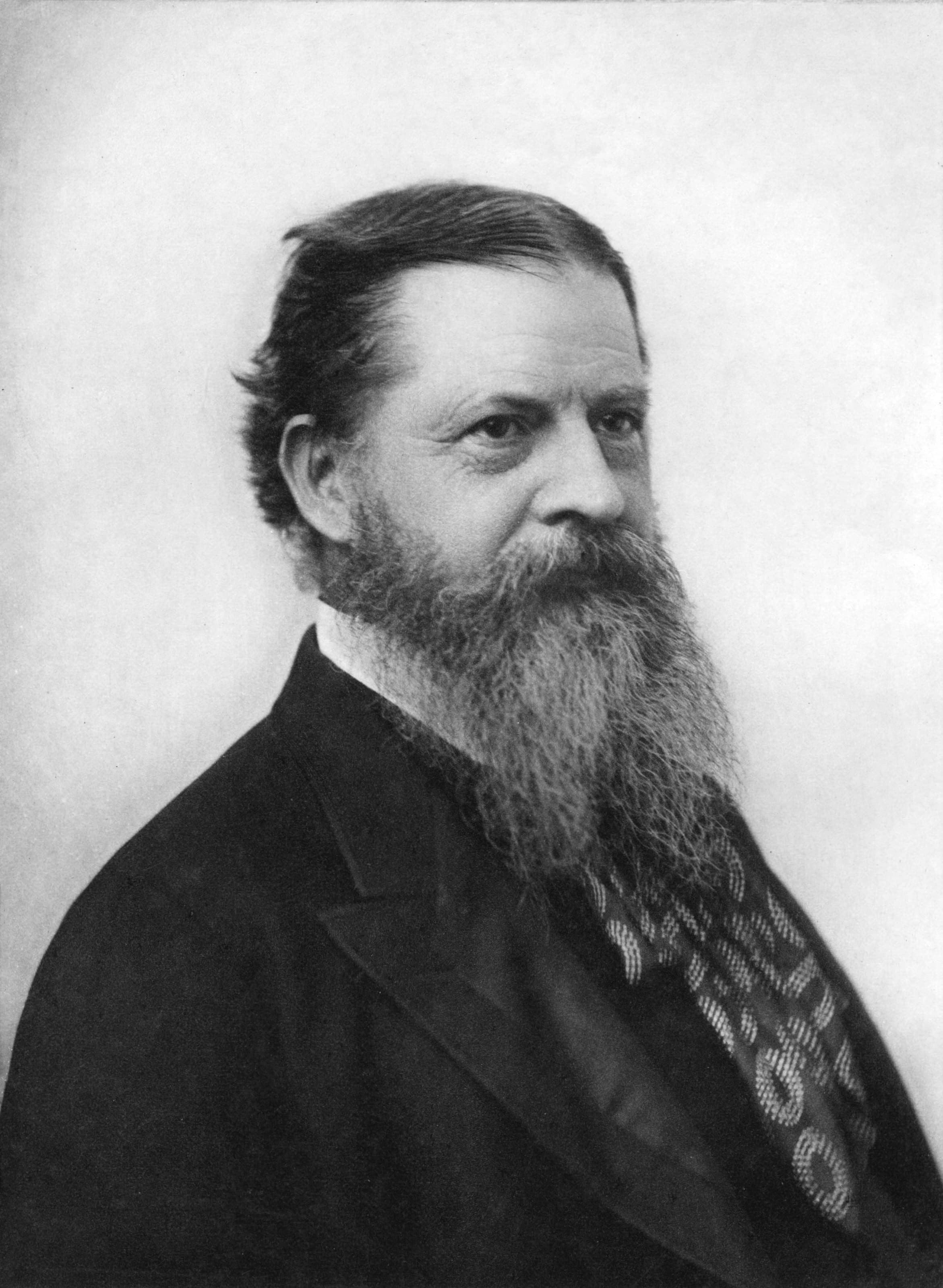
Charles Sanders Peirce
Founder of pragmatism and semiotics — meaning is in practical effects.
Overview
An American polymath — logician, scientist, and philosopher — Peirce founded pragmatism and modern semiotics (the theory of signs). He held that the meaning of a concept lies in its conceivable practical effects, that inquiry is a self-correcting communal process, and that all knowledge is fallible. A profound but neglected genius who died in poverty, his ideas were popularized by his friend William James and shaped 20th-century logic and philosophy of science.
What they supported — and why
The pragmatic maxim
SupportedTo clarify a concept, consider the practical effects we conceive its object to have; the sum of those effects is the whole meaning of the concept.
WhyIdeas that make no conceivable difference to practice are empty, so meaning is anchored in conceivable consequences.
Fallibilism and the community of inquiry
SupportedNo belief is certain; truth is what inquiry would converge on in the long run, pursued by a self-correcting community.
WhySince we can always err, knowledge advances by testing, correcting, and the cooperative work of inquirers over time.
Semiotics (the theory of signs)
SupportedAll thought is in signs; a sign relates an object to an interpretant in a threefold structure.
WhyUnderstanding meaning and cognition requires analyzing how signs represent and are interpreted, a general science of signs.
Causes championed
- A scientific, self-correcting theory of meaning and inquiry
- Fallibilism
- The logic of signs
Issues wrestled with
- What does a concept mean?
- How does inquiry reach truth?
- How do signs represent?
Hurdles faced
- Professional marginalization; he never held a permanent academic post
- Died in poverty and obscurity, his vast work unpublished
Works & books
2 catalogued. Status shows how much survives to today.
'The Fixation of Belief' and 'How to Make Our Ideas Clear'
SurvivesThe founding essays of pragmatism and the pragmatic maxim.
Collected Papers (semiotics, logic, metaphysics)
PartialA vast body of work, much published only posthumously.
Read the texts free
1 of Charles Sanders Peirce’s works are free to read in full — public-domain English editions on Project Gutenberg, matched from Gutenberg’s own catalogue.
Every edition online — Open Library catalogues 205 works & editions, 8 of them free to read in full.
The influence network
See Charles Sanders Peirce in the map →Influenced
In their words
“Consider what effects, that might conceivably have practical bearings, we conceive the object of our conception to have.”
— How to Make Our Ideas Clear
Legacy
The founder of pragmatism and semiotics, a neglected genius whose theory of meaning and inquiry shaped modern logic, science, and American philosophy.
Follow their questions
This thinker is a stop on these paths through philosophy.
Further reading
Cross-checked against these authoritative references.