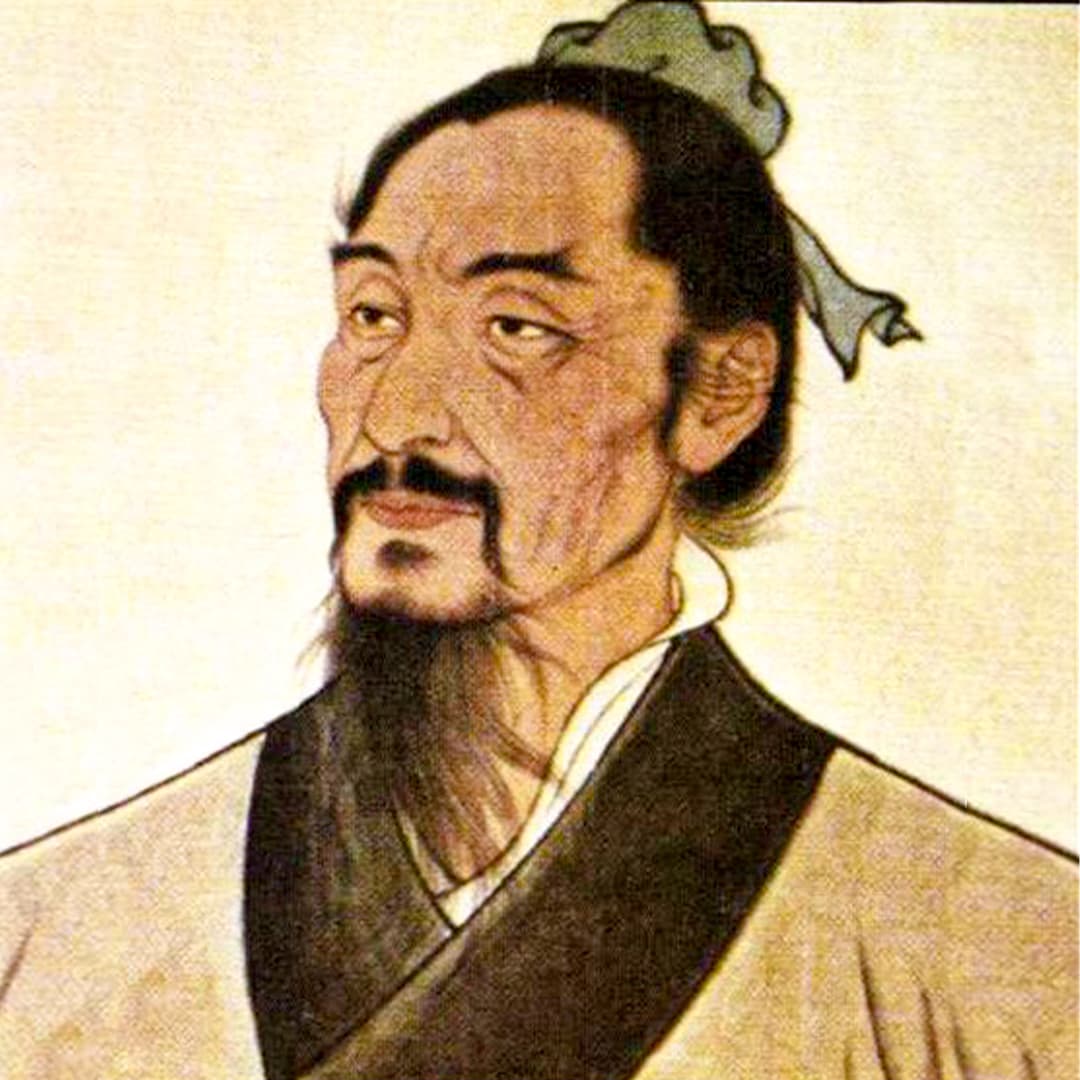
Mozi
Mo Di
Founder of Mohism — impartial care, meritocracy, and against wasteful war.
Overview
The founder of Mohism, the great early rival of Confucianism and one of China's first systematic ethical philosophers. Against the Confucian emphasis on graded love and elaborate ritual, Mozi taught 'impartial care' (jian ai) — concern for all people equally — and judged actions by their benefit to society. He argued for meritocracy over hereditary privilege, denounced offensive warfare and wasteful luxury, and grounded morality partly in the impartial will of Heaven. His followers were also skilled in logic and defensive fortification.
What they supported — and why
Impartial care (jian ai)
SupportedOne should care for all people equally, not privilege one's own family and state over others.
WhyPartiality is the root of conflict — theft, war, and disorder all arise from favoring one's own; impartial care would remove their cause.
A consequentialist standard of benefit
SupportedJudge doctrines and actions by whether they benefit the people — enriching the poor, increasing the population, bringing order.
WhyWhat matters is real welfare, so morality and policy should be measured by their concrete social results.
Against offensive war and waste
SupportedCondemn aggressive warfare, lavish funerals, and costly music as harmful drains on the people.
WhyThey consume the resources and lives of ordinary people without benefit, contradicting the standard of promoting welfare.
Meritocracy and Heaven's will
SupportedElevate the worthy regardless of birth, and align with the impartial will of Heaven.
WhyGood order requires the capable in office, and Heaven impartially desires the mutual benefit of all.
Causes championed
- Impartial concern for all
- Social welfare
- Meritocracy
- Peace and frugality
Issues wrestled with
- Should we love all equally or by degrees?
- How do we judge right action?
- Are war and luxury justified?
Hurdles faced
- Opposing the culturally dominant Confucians
- A demanding ethic of impartial care and austerity
- Mohism's near-disappearance after the Qin era
Works & books
1 catalogued. Status shows how much survives to today.
The Mozi
SurvivesA collection by Mozi and his followers, including chapters on ethics, logic, optics, and defensive warfare.
The influence network
See Mozi in the map →Influenced by
Influenced
In their words
“It is the business of the benevolent to promote what benefits the world and to eliminate what harms it.”
— Mozi
Legacy
China's first great utilitarian and pacifist, his impartial care and consequentialism were the main early rival to Confucianism and a landmark in world ethics.
Follow their questions
This thinker is a stop on these paths through philosophy.
Further reading
Cross-checked against these authoritative references.