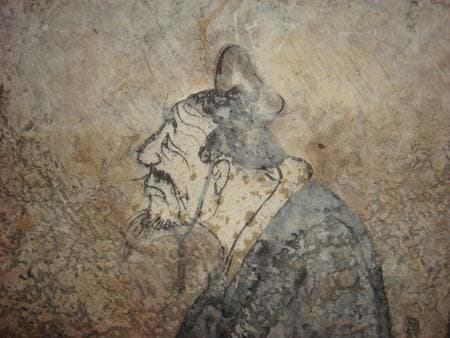
Confucius
Kǒngzǐ (Kong Qiu)
Teacher of virtue, ritual, and humaneness who shaped East Asian civilization.
Overview
China's most influential thinker, a teacher and minor official of the Spring and Autumn period whose sayings, collected by disciples in the Analects, founded the Confucian tradition. Amid social breakdown he sought to restore order through personal moral cultivation, ritual propriety, and humaneness rather than force. He taught that virtue in rulers and gentlemen, not coercion, is the basis of a good society, and made education and self-cultivation central. He was not the pure secular humanist later readers imagined — he revered Heaven (Tian) and inherited tradition.
What they supported — and why
Ren (humaneness / benevolence)
SupportedThe supreme virtue is ren — a genuine care for others expressed in how one treats them.
WhySociety coheres through humane relationships, so cultivating ren in oneself is the root of all right conduct.
Li (ritual propriety)
SupportedProper ritual, manners, and social roles order moral and communal life.
WhyShared forms of conduct express respect, harmonize relationships, and train character — order comes through ritual, not mere law.
The junzi and self-cultivation
SupportedThe 'exemplary person' (junzi) becomes noble through moral cultivation, not birth.
WhyVirtue is achieved through learning and effort, so anyone can refine themselves, and rulers should lead by moral example.
Government by virtue
SupportedRulers should govern by moral example and ritual rather than by punishment.
WhyLead the people by virtue and they gain a sense of shame and correct themselves; coercion only breeds evasion.
Causes championed
- Moral self-cultivation
- Education for all
- Humane government
- The right ordering of relationships
Issues wrestled with
- How is social order restored?
- What makes a person good?
- How should rulers rule?
Hurdles faced
- A chaotic, warring age unreceptive to his counsel
- Years wandering between states seeking a ruler who would employ his ideas
Works & books
1 catalogued. Status shows how much survives to today.
Analects (Lunyu)
SurvivesHis sayings and dialogues, compiled by disciples — the central Confucian text.
Read the texts free
5 of Confucius’s works are free to read in full — public-domain English editions on Project Gutenberg, matched from Gutenberg’s own catalogue.
Every edition online — Open Library catalogues 349 works & editions, 25 of them free to read in full.
The influence network
See Confucius in the map →In their words
“Do not impose on others what you do not wish for yourself.”
— Analects
“To learn, and at times to practice what one has learned — is that not a pleasure?”
— Analects
Legacy
His ethics of virtue, ritual, and humane relationship shaped Chinese and East Asian civilization for 2,500 years and remains a living moral tradition.
Essays
Pieces from the Journal that take up Confucius in more depth.
Follow their questions
This thinker is a stop on these paths through philosophy.
Further reading
Cross-checked against these authoritative references.